
Coffee For Cows?
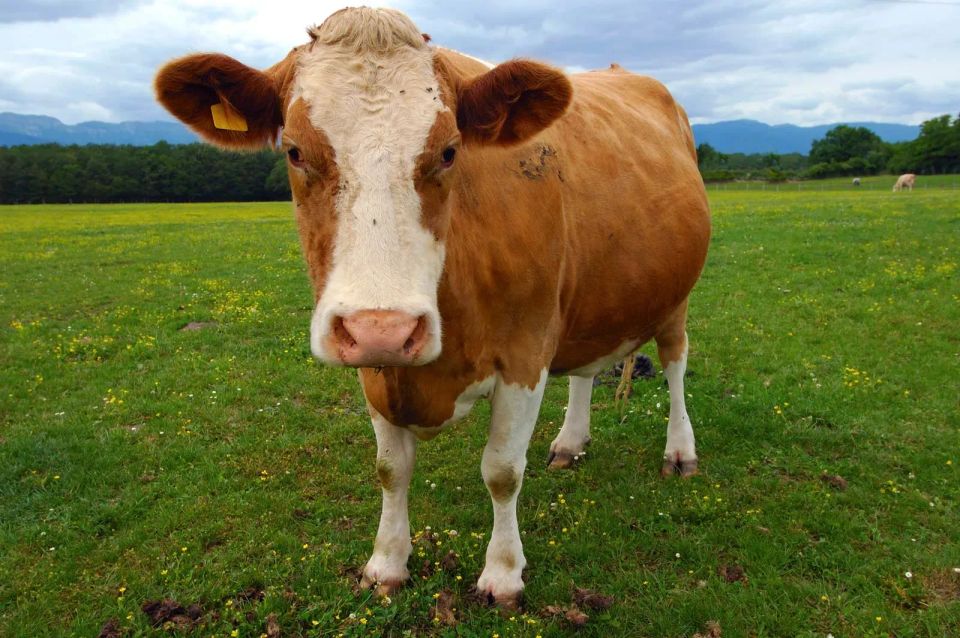
by Nathanael Curtis
For many of us, coffee is an essential part of our morning. Very soon, it could be an essential part of the day for cows too! The environmental impact of discarded coffee grounds is staggering, arising both from the disposal of used coffee grounds in landfills and the pervasive use of plastic coffee pods, notorious for their quick convenience. To solve this, Life Ecofeed, a European initiative, is using spent coffee grounds to produce livestock feed. This has not only saved tons of coffee grounds from the landfill, it has also had a positive effect on the cows!
By some estimates, one 1 kg of coffee brewed in a coffee machine actually results in 2 kg of used coffee grounds (called Spent Coffee Grounds, or SCG). One single serving of coffee from a plastic coffee pod generates 18 g of waste, not to mention the single use plastic. Many initiatives recycle SCG for plant fertilizer, but that leaves almost half of the world’s used coffee going to landfills.
Livestock feed is normally made from imported soybeans in a process that also leaves a large carbon footprint. The Life initiative has decided to solve one problem with another. They’ve introduced Life Ecofeed and tested it on dairy sheep and a cattle in Europe. Later in March 2024, they plan to unveil their project to the world and show how it can be reproduced in other regions.
The anticipated impact is considerable. Life Ecofeed aims to divert a substantial 21 tons of SCG and 1.5 tons of plastic away from landfills, contributing significantly to waste reduction. Surprisingly, beyond its environmental merits, the initiative has uncovered several unexpected benefits for the animals involved. Cows fed with Ecofeed display a healthier fatty acid profile in their milk. Even more surprising, the extra caffeine in their diet reduces the cow’s methane byproduct by 20%!
All the trials for the project have concluded. Life hopes that others will follow their lead with this innovative solution. With the positive outcomes observed, the hope is that others will follow suit, embracing this environmentally conscious approach to addressing waste and enhancing the well-being of livestock.